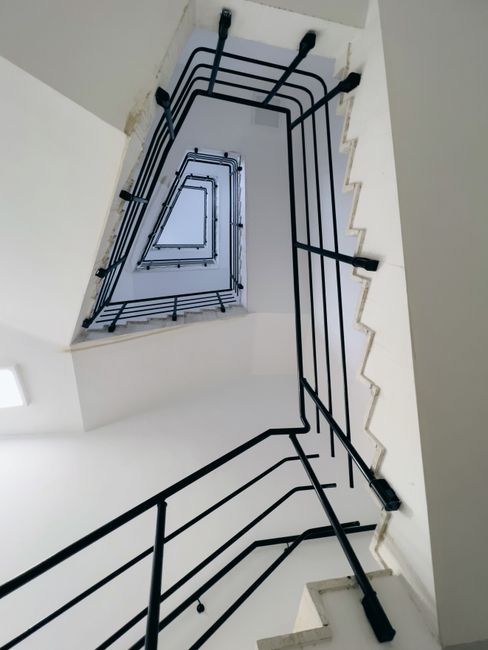
Kennington communal stairwell cleaning access problems and solutions
Shared stairwells can be the quiet headache of a building. One week the cleaner can get in easily; the next, a side door is locked, a key is missing, or nobody seems to know who can authorise access. If you manage or live in a flat in Kennington, you will know the pattern. The cleaning itself is usually straightforward. The access is the part that turns into a faff.
This guide on Kennington communal stairwell cleaning access problems and solutions explains what usually goes wrong, why it matters, and how to fix it without making the whole thing more complicated than it needs to be. We will cover practical access arrangements, coordination between residents and managing agents, safety points, common mistakes, and a simple checklist you can actually use. A tidy stairwell is not just about appearance, either. It affects safety, odour, first impressions, and the day-to-day feel of a building.
And yes, it often comes down to a few small things: a missing fob, a vague message, or one resident assuming someone else will let the cleaner in. Seen it a hundred times. It is mundane, but it matters.
Table of contents
- Why Kennington communal stairwell cleaning access problems and solutions Matters
- How Kennington communal stairwell cleaning access problems and solutions Works
- Key Benefits and Practical Advantages
- Who This Is For and When It Makes Sense
- Step-by-Step Guidance
- Expert Tips for Better Results
- Common Mistakes to Avoid
- Tools, Resources and Recommendations
- Law, Compliance, Standards, or Best Practice
- Options, Methods, or Comparison Table
- Case Study or Real-World Example
- Practical Checklist
- Conclusion
- Frequently Asked Questions
Why Kennington communal stairwell cleaning access problems and solutions Matters
Communal stairwells are high-traffic spaces. People walk through them several times a day, often with shopping bags, prams, wet umbrellas, pushchairs, bins, scooters, and the occasional takeaway that smells better than it looks. That means grime builds up quickly. Dust settles on edges and ledges. Marks appear on bannisters and walls. Leaves and street dirt get tracked in. If access is patchy, cleaning becomes irregular, and the whole space starts looking neglected.
In Kennington, this comes up often in converted houses, mansion blocks, purpose-built flats, and mixed-use buildings where responsibilities can be a bit fuzzy. Sometimes there is a concierge or managing agent. Sometimes there is just a shared email thread and a few keys circulating in the wild. The result is the same: a cleaner arrives, but the front gate code has changed or the internal door is locked. Waste of time for everyone.
It matters because access problems create more than inconvenience. They can lead to missed cleans, inconsistent standards, complaints between neighbours, and higher costs if cleaners need to return. They may also create safety risks if spillages or trip hazards are left longer than they should be. In a tight staircase, one muddy patch can quickly become a daily annoyance.
If you are already comparing cleaning approaches for a block or rental property, it may also help to look at related guidance such as the Kennington Road cleaning checklist for converted flats and our SE11 cleaning guide for landlords and tenants. Those pieces are useful if your building has a tricky layout or multiple responsible parties.
How Kennington communal stairwell cleaning access problems and solutions Works
At a practical level, stairwell cleaning depends on three things: permission, timing, and continuity. Permission means the cleaner can legally and safely enter the shared areas. Timing means they can enter when the building is available and not full of residents coming and going. Continuity means they can keep doing that on every visit, not just once.
Access problems usually fall into a few familiar buckets:
- Physical access issues - lost keys, broken locks, gate codes that no longer work, or doors that shut behind residents.
- Communication issues - the cleaner was told one thing, the landlord another, and the managing agent something else entirely.
- Scheduling issues - cleaning is planned during busy hours, bin collection time, or when deliveries block the entrance.
- Authority issues - nobody is sure who can approve access or provide a spare key/fob.
- Security concerns - residents are understandably cautious about giving out codes, which can slow everything down.
The solution is rarely one big fix. It is usually a set of small, sensible arrangements: a named access contact, a clear booking window, a backup key process, a simple handover note, and a short protocol for what happens if entry fails. Nothing glamorous. Very effective, though.
In buildings where cleaning forms part of a wider maintenance plan, it can be helpful to align it with other services too. For example, if the stairwell sits near a lobby or entrance hall, you might also consider how it fits with the wider services overview and whether deeper cleaning such as carpet cleaning in Kennington is needed after a period of heavy foot traffic or renovation dust.
Key Benefits and Practical Advantages
When access is organised properly, the benefits show up quickly. The space looks better, yes, but the bigger wins are usually operational.
- Fewer missed appointments - cleaners arrive with a working route and can complete the job in one visit.
- Lower admin stress - less chasing, fewer apologetic messages, fewer "who has the key?" moments.
- Better standards over time - stairwells that are cleaned regularly stay cleaner for longer, because dirt never gets the chance to build up.
- Improved tenant and resident experience - nobody enjoys living in a building where the first thing they see is a grubby handrail.
- Reduced complaints - predictable access means fewer disputes between landlords, residents, cleaners, and managing agents.
- Safer common areas - prompt removal of spillages, dust, and loose debris can help reduce slips and trips.
There is also a reputational angle. If a building is being viewed by prospective tenants, buyers, or even delivery drivers on a rainy Monday morning, the staircase speaks loudly. A clean communal area suggests the building is managed with care. A neglected one does the opposite. Harsh, but true.
Expert summary: the best stairwell cleaning setup is not the fanciest one. It is the one that makes access boring. If cleaners can get in, do the job, and leave without drama, the whole building benefits.
Who This Is For and When It Makes Sense
This topic matters to a surprisingly wide group of people in Kennington.
- Landlords who need common areas kept tidy between tenancies and throughout the year.
- Managing agents dealing with resident communications, access permissions, and contractor scheduling.
- Freeholders and resident-led blocks where shared responsibilities can become blurred without a simple process.
- Tenants who want a safe, clean staircase without having to chase the issue every week.
- Property investors who know that the state of communal areas influences how a building is perceived.
- Office or mixed-use occupiers where stairwell presentation matters for staff and visitors, especially near busy local routes.
If you are dealing with turnover, inspections, or handover periods, access planning becomes even more important. For example, during a move-out, cleaners may need to work around keys, inventory checks, and final visits. In those cases, articles like avoiding hidden cleaning fees for end of tenancy moves and end of tenancy cleaning in Kennington are worth a look because access timing and final cleaning often overlap.
It also makes sense in buildings where the stairwell is the first visible part of the property. The minute a visitor steps in and smells damp mats or notices handprints on the wall, the whole place feels different. Tiny detail, big impression.
Step-by-Step Guidance
Here is the practical route that usually works best. Keep it simple. Complicated systems have a habit of collapsing the moment someone forgets to update a code.
- Identify the access route
List every point a cleaner needs to use: front door, side gate, internal fire door, bin area, service lift, basement corridor, or rear entrance. Do not assume one key covers everything. - Nominate one access owner
Choose one person or role responsible for sharing codes, keys, and changes. If five people can update access, nobody really owns it. - Set a cleaning window
Pick a regular time when residents are less likely to block the route. Early morning can work in some blocks; later midday may be better in others. There is no universal answer. - Prepare backup access
Keep a spare key or fob in a secure arrangement. If the main contact is away or a code changes, the job should still proceed. - Tell residents what to expect
Short notice is enough if the schedule is regular. Let people know when cleaning happens and what they should avoid, such as leaving bikes in the stairwell or wedging open secure doors. - Check for obstructions before the visit
Ask residents not to leave prams, shoes, parcels, or delivery boxes in the way. Stairwells need clear access before the cleaner even starts. - Confirm completion and any issues
After the clean, note if access worked, if any door was faulty, or if a resident was unavailable to unlock an area. That little record saves a lot of time later.
A small example: one Kennington block had a perfectly good cleaning plan on paper, but the cleaner kept arriving to find the side gate chained from the inside. Nothing wrong with the service. The access process was the weak link. Once they moved the lock-up responsibility to one named resident and added a backup code for the agent, the missed visits stopped almost immediately. Simple fix. Bit embarrassing, but there you go.
Expert Tips for Better Results
After enough stairwell cleans, a few patterns become obvious.
- Use a short access note - one page or one message is better than a long chain of explanations nobody reads.
- Keep the contact list current - changing agents, new tenants, and holiday periods can all break access if nobody updates the file.
- Build cleaning into building routines - if bins are collected on a certain day or residents are most active in the evening, avoid that window.
- Ask for a quick walk-through now and then - a cleaner or supervisor can spot a stuck latch, a missing bulb, or a lock that is becoming difficult to turn.
- Plan for wet weather - winter rain in London means more mud, more leaves, and more footprints. Expect it and schedule accordingly.
- Match the clean to the building type - a small converted property and a larger block will need different access handling. One-size-fits-all usually fails quietly.
If the stairwell is part of a broader domestic cleaning arrangement, it can help to coordinate with domestic cleaning in Kennington or house cleaning services so that shared entrances, hallways, and internal stairs are handled consistently. For some buildings, the best approach is to bundle access coordination across all common cleaning tasks rather than treating each one separately.
And if the building doubles as a workspace or small office premises, access logic matters even more. In that case, office cleaning in Kennington and office cleaning services near the Oval may offer useful parallels for planning secure entry and out-of-hours work.
Common Mistakes to Avoid
This is where things go wrong most often. Nothing dramatic, just a steady drip of avoidable problems.
- Assuming access will "sort itself out" - it rarely does. Someone needs to own it.
- Using too many contacts - too many points of authority slows decisions and creates confusion.
- Changing codes without telling cleaners - a very common one, honestly.
- Booking cleans during peak foot traffic - residents, deliveries, and cleaners do not mix well in a narrow staircase.
- Ignoring small faults - a sticky lock becomes a broken lock if nobody deals with it.
- Letting clutter accumulate between cleans - even a well-cleaned stairwell looks bad if bikes and bags block the corners.
- Failing to document access issues - if there is a recurring problem, you need a paper trail, even if it is only a basic note.
One slightly annoying truth: some access problems are caused by people being polite in the wrong way. Everyone assumes someone else has already handled it, so nobody mentions the code changed. It sounds minor until the cleaner is standing outside in the rain. That is the moment the whole thing feels much bigger than it should.
Tools, Resources and Recommendations
You do not need much to manage stairwell cleaning access well, but the right basics help.
- Shared access sheet - keep it simple: key holder, code, backup contact, regular cleaning time, and any restrictions.
- Building notice board or resident message - useful for temporary changes, holiday schedules, or short-term contractor visits.
- Photo record - before-and-after images can help confirm access success and quality of finish, especially for landlords or managing agents.
- Incident log - note failed access, broken latches, or repeated obstructions. It does not need to be formal to be useful.
- Cleaning schedule - weekly, fortnightly, or monthly depending on traffic and building size.
- Relevant service support - if the access issue is part of a larger cleaning need, browsing service options or checking pricing and quotes can help you compare what level of support makes sense.
If your stairwell is carpeted, odours or ground-in dirt may need more than a surface clean. In those cases, a combined plan with carpet cleaning in Kennington and regular stairwell maintenance can be far more effective than relying on occasional sweeping alone. Truth be told, old stair carpets can hold onto a surprising amount of grit.
For readers who want to understand how the company handles service quality and safeguarding, the most relevant background pages are the about us page, the health and safety policy, and the insurance and safety information. Those pages help build confidence when a contractor is entering shared residential spaces.
Law, Compliance, Standards, or Best Practice
For communal stairwell cleaning, the main concern is not usually a single dramatic rule. It is a combination of ordinary UK best practice: keeping shared areas safe, avoiding obstruction, handling keys and access responsibly, and making sure contractors are briefed properly.
In practical terms, that means:
- Cleaning should be arranged so residents can still move safely through the stairwell.
- Access arrangements should respect privacy and security.
- Any fire doors, escape routes, or security barriers should be left in safe working order.
- Contractors should be informed about hazards such as loose mats, poor lighting, or narrow landings.
- If a block has a managing agent or leaseholder agreement, follow the building's own procedures first.
If there is doubt about who is responsible for the communal area, the safest approach is to clarify it before booking repeated cleans. This is especially true in mixed occupancy buildings where a landlord may own one flat, a leaseholder may control another, and residents may all have different expectations. It is not glamorous admin, but it prevents a lot of friction.
As a matter of best practice, access should never rely on casual arrangements like "just ring the downstairs neighbour" or "the postman usually leaves it open". That sort of setup works right up until it does not. Then everyone is frustrated, and nobody has the right key.
Options, Methods, or Comparison Table
There are a few different ways to manage stairwell access. Some are more secure, some are easier, and some are just less annoying in the long run.
| Access method | Pros | Cons | Best for |
|---|---|---|---|
| Named key holder | Simple, clear responsibility | Can fail if the person is unavailable | Small blocks and converted properties |
| Shared code or fob | Fast access, fewer handovers | Needs updating if security changes | Buildings with regular cleaning schedules |
| Managing agent coordination | Good oversight and record-keeping | Can be slower if multiple approvals are needed | Larger blocks and managed estates |
| Resident rota | Flexible, low-cost | Easy to miscommunicate | Resident-led buildings with good communication |
| Timed access window | Reduces disruption | Requires everyone to stick to the plan | Busy stairwells and shared entrances |
The best choice depends on the building, not the theory. A small stairwell with two flats may run happily on one spare key and a text message. A bigger block near busy local routes may need a more formal process. If you want a broader picture of how building types affect cleaning decisions, Kennington property smart investment tips and selling your Kennington property both touch on how presentation influences value and buyer perception.
Case Study or Real-World Example
Imagine a converted Kennington terrace with six flats and one shared staircase. The building looks fine at a glance, but the cleaner keeps missing visits because the entrance code is shared informally. One resident changes it after a parcel issue, another forgets to pass it on, and the cleaner turns up twice to find no access. Dust builds up on the skirting, and a small muddy patch near the step stays there for days.
The fix was not complicated. The residents agreed one contact would manage access. A backup key was stored securely with the landlord. Cleaning was moved to a quieter time slot on weekday mornings, and residents were asked to keep the lower landing clear before the visit. A short note went out before each cycle. No big drama, no expensive technology. Just a working routine.
Within a couple of cycles, the stairwell was easier to maintain because it was actually being cleaned on schedule. The difference was visible. Brighter walls, less grit on the steps, and fewer "who changed the code?" messages. Small win, but it changes how the whole building feels when you come in from the street.
Practical Checklist
Use this checklist before your next communal stairwell clean. It saves time, and it saves awkwardness too.
- Confirm who owns access responsibility.
- Check that keys, fobs, or codes are current.
- Make sure the cleaner has the right entry instructions.
- Choose a time when residents are less likely to block access.
- Clear bikes, bags, parcels, and bins from the route.
- Note any broken locks, sticky doors, or lighting issues.
- Leave a backup contact in case the main contact is unavailable.
- Confirm whether any extra areas need cleaning, such as landings or entrance mats.
- Record any access problems after the visit.
- Review the process if the cleaner is repeatedly delayed.
If your building also needs regular upkeep inside flats or shared workspaces, it can be worth coordinating the stairwell schedule with domestic cleaning, house cleaning, or office cleaning so access, timing, and standards stay aligned.
Conclusion
Kennington communal stairwell cleaning access problems and solutions are, at heart, about keeping the small things under control before they become awkward, costly, or messy. If access is clear, the cleaning can do its job properly. If access is muddled, even a good cleaner ends up fighting the building instead of improving it.
The best outcome is simple: one contact, one process, one reliable schedule, and a backup plan that actually exists. Nothing fancy. Just enough structure so the stairwell stays tidy, safe, and pleasant to use. And once that happens, you notice it every time you come home. The building feels calmer somehow.
Get a free quote today and see how much you can save.
For readers exploring more local context and property-related advice, you may also find it useful to browse the broader Kennington blog archive, which covers nearby housing, moving, and cleaning topics in a practical way.
Frequently Asked Questions
What are the most common access problems in communal stairwell cleaning?
The most common issues are missing keys, changed door codes, unclear responsibility, residents blocking access, and cleaners arriving at the wrong time. In a lot of buildings, it is a mix rather than one single fault.
Who should manage access for a shared stairwell in Kennington?
Usually one named person should manage it, such as a landlord, managing agent, resident representative, or building contact. The main thing is clarity. Too many decision-makers can be worse than too few.
Can a cleaner work if residents are still using the stairs?
Sometimes yes, but it depends on the layout and the job. A quiet stairwell may be fine during off-peak times. A busy entrance or narrow staircase usually needs a more careful slot so nobody is forced to squeeze past wet floors.
How often should a communal stairwell be cleaned?
That depends on footfall. Heavier-use buildings usually need more frequent cleaning than smaller converted properties. Weekly is common for busier shared spaces, but lighter-use stairwells may need less frequent visits.
What should I do if the cleaner cannot get in?
Confirm the reason immediately, update the access contact, and reschedule if needed. If it happens more than once, fix the underlying problem rather than relying on repeated apologies. That gets old quickly.
Is a spare key a good idea for communal areas?
Yes, if it is stored securely and the arrangement is agreed in advance. A secure spare key or controlled fob process is one of the most practical ways to avoid missed cleans.
How can we stop stairwells getting dirty again so fast?
Regular cleaning helps, but so does reducing clutter, improving mats, and dealing with entry dirt quickly. In wet weather, a little extra attention at the entrance makes a noticeable difference.
What if the access code changes without notice?
That is one of the most annoying problems, to be fair. Update the cleaner immediately and keep a log of the change. If codes change often, a more stable access process may be needed.
Do communal stairwell cleaning plans need to be written down?
They do not have to be formal, but written notes help. A simple shared message or access sheet prevents misunderstandings, especially when people move out or new residents arrive.
Can stairwell cleaning be combined with other services?
Yes, and often it works better that way. If the building needs hallway cleaning, carpet care, or common-area maintenance, bundling those tasks can make access coordination much easier.
What if a resident objects to cleaners entering the building?
That depends on the building's ownership and access arrangements. Shared areas are usually managed under the building's agreed procedures, so it is best to clarify the rules rather than argue informally. A calm explanation often prevents a bigger issue later.
How do I know if we need professional help rather than doing it ourselves?
If access problems keep causing missed cleans, if the stairwell is consistently dirty, or if nobody can agree on responsibility, professional support is usually the sensible move. It removes friction and gives the building a steadier routine.