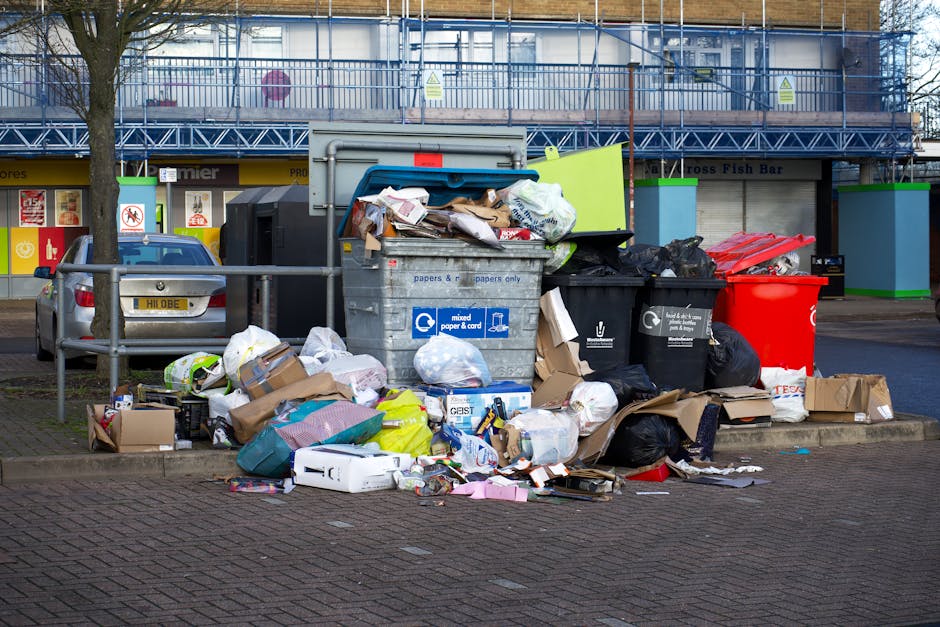
Lambeth Council waste rules for cleaners in Kennington: what cleaners need to know
If you clean homes, offices, flats, or short-let properties in Kennington, waste handling is not a small side issue. It affects how you work, what you can leave behind, and whether a client's rubbish gets collected without hassle. The practical side of Lambeth Council waste rules for cleaners in Kennington is simple enough: sort waste correctly, present it properly, and avoid creating problems for residents, landlords, or building managers.
That sounds straightforward, and in many jobs it is. But the moment you deal with bin stores, bulky items, leftover packaging, mixed recycling, or post-renovation debris, the details matter. This guide breaks the topic down in plain English, with a local Kennington focus, so you can stay efficient, compliant, and calm. No jargon for the sake of it. Just the stuff that actually helps on site.
For cleaners working across different property types, it also helps to understand the wider service picture. Domestic work often overlaps with domestic cleaning, larger declutters may edge into house clearance, and end-of-lease jobs can raise awkward bin questions that appear right at the end of the day. Let's get into it.
Table of Contents
- Why Lambeth Council waste rules for cleaners in Kennington matters
- How Lambeth Council waste rules for cleaners in Kennington works
- Key benefits and practical advantages
- Who this is for and when it makes sense
- Step-by-step guidance
- Expert tips for better results
- Common mistakes to avoid
- Tools, resources and recommendations
- Law, compliance, standards, or best practice
- Options, methods, or comparison table
- Case study or real-world example
- Practical checklist
- Conclusion
- Frequently asked questions
Why Lambeth Council waste rules for cleaners in Kennington Matters
Waste rules matter because cleaners are usually the people who notice the problem first. A bag split in a hallway, a recycling bin full of the wrong items, a pile of packaging left after a move-out clean - all of that can quickly become a complaint if nobody handles it properly. In Kennington, where many properties share bin stores, narrow access routes, or limited outside space, the consequences show up fast.
There's also a trust angle here. Clients expect cleaners to leave a property looking finished, not just visibly clean. If waste is left in the wrong place, or mixed with food waste and recycling in a sloppy way, the whole job feels incomplete. Truth be told, even a brilliant deep clean can be undermined by one overfilled black sack sitting by the back gate.
For landlords, letting agents, and facilities teams, correct waste handling also reduces friction with neighbours and building management. Nobody wants a lovely post-clean finish followed by a bin-store mess, or worse, a missed collection because rubbish was presented badly. That's why understanding council waste expectations is not just "nice to have". It's part of a professional cleaning standard.
And yes, there is a business benefit too. Cleaners who manage waste neatly tend to get fewer callbacks, fewer complaints, and fewer awkward messages later in the evening. That matters in a busy area like Kennington, where jobs can be tight on time and access can be a bit fiddly at the best of times.
How Lambeth Council waste rules for cleaners in Kennington Works
In practical terms, council waste rules usually affect how waste is separated, bagged, stored, and presented for collection. Cleaners are not expected to become waste officers overnight. But they do need a working system for everyday jobs.
The basic pattern is this: recyclable items should stay separate from general waste wherever possible, food waste should be kept away from dry recycling, and any bulky or special waste needs extra care. If a property has shared bins, you also need to think about capacity and timing. A bin that is already full before you arrive is not your problem in the abstract, but it does affect what you can responsibly leave behind.
Kennington properties often present a mix of situations:
- small flat bins with limited space
- shared bin stores in blocks of flats
- terraced houses with minimal front access
- short-let turnovers where guests have left mixed waste
- commercial or office sites with managed waste areas
That variety is why a one-size-fits-all approach rarely works. A cleaner doing a routine regular cleaning job will normally deal with light household waste and bin tidying. A cleaner on an end of tenancy cleaning job may be dealing with abandoned rubbish, old food packaging, or a last-minute pile of unwanted items. Different job, different judgement call.
There is one important principle to keep in mind: if waste is not yours to remove, do not assume you can just move it somewhere else and call it sorted. Move it properly, ask the client what is expected, and if needed, recommend an appropriate clearance route rather than improvising. That little pause can save a lot of trouble later.
Key Benefits and Practical Advantages
Following the local waste rules carefully is not about being over-cautious. It makes the work smoother. Cleaner. More predictable. And frankly, less annoying for everyone involved.
The main benefits are:
- Fewer complaints from residents, neighbours, or building managers
- Better presentation at the end of a clean, especially for inspections
- Reduced contamination of recycling and mixed waste streams
- Less risk of missed collections due to poor bin presentation
- Clearer boundaries between cleaning and clearance work
- More professional service in clients' eyes
There is a subtler benefit too: consistency. Once your team has a waste routine, everyone works faster because fewer decisions are made on the fly. No standing around asking, "Where does this box go?" or "Can we leave these bags here?" every five minutes. Small thing, big effect.
If your service offering includes deeper jobs, waste handling becomes even more important. A deep cleaning appointment often reveals clutter, packaging, used disposables, or old items buried behind furniture. Similarly, after decorating or renovation work, the after builders cleaning stage can produce waste that needs a clearer plan than ordinary household rubbish.
Who This Is For and When It Makes Sense
This topic is relevant to more people than you might think. It is not just for specialist waste contractors or facilities managers. In Kennington, the people most likely to benefit from a clear understanding are:
- domestic cleaners handling day-to-day household bins
- end of tenancy teams clearing light rubbish after occupants move out
- office cleaners dealing with paper waste, packaging, and kitchen bins
- Airbnb cleaners resetting properties between guests
- property managers coordinating bin areas and collection day routines
- landlords who want a tidy handover without waste-related disputes
- cleaning companies that want fewer callbacks and stronger compliance habits
It makes especially good sense when the job involves shared premises, time pressure, or high client expectations. A one-off spring clean in a single flat is one thing. A busy multi-occupancy building with no obvious storage space for waste is another. That's where planning pays for itself.
If you work around short-stay properties, the waste issue can be even more visible. Guests are not always careful with sorting, and the cleaner is the person who has to face the aftermath. In that setting, Airbnb cleaning and waste discipline go hand in hand. The same applies to office cleaning, where paper, packaging, and kitchen waste can build up quickly if nobody keeps an eye on it.
Step-by-Step Guidance
Here is a practical approach that works well in real jobs. Nothing fancy, just a reliable flow you can reuse.
- Check what waste is already on site. Look at bins, sacks, loose items, and any separate recycling containers before you start.
- Ask what the client expects. Are you tidying bins only, bagging rubbish for collection, or removing waste from the premises entirely?
- Sort waste into obvious categories. Keep general waste, dry recycling, food waste, and bulky items separate where possible.
- Do not overfill bags or bins. Overpacked waste breaks, spills, and creates a mess no one wants to deal with.
- Use the right container for the job. Small bags for lightweight waste, stronger bags for heavier items, and proper handling for sharp or wet waste.
- Keep access routes clean. Hallways, stairwells, and bin-store paths should not be left scattered with packaging or debris.
- Report anything unusual. If you find hazardous materials, large abandoned items, or a bin system that is clearly not working, flag it early.
- Confirm completion. Before leaving, check that waste has been placed where it should be and the area still looks presentable.
That last step sounds obvious, but it is where many jobs fall short. You get so focused on the cleaning that the waste stage becomes an afterthought. It happens. A quick final walk-through is usually enough to catch it.
A simple rule of thumb
If you would not be happy leaving that waste arrangement for your own neighbour to see, it probably needs another minute of attention.
Expert Tips for Better Results
Over time, the best cleaners tend to develop small habits that prevent waste problems before they start. Here are the ones that genuinely make a difference.
- Build waste checks into the quote or scope. This avoids awkward assumptions later. For larger jobs, waste handling should be discussed early, not at the door.
- Carry spare liners and sturdy bags. It sounds basic because it is basic. But basic kit saves the day.
- Separate waste at source where possible. Sorting things properly on the way out is much easier than trying to untangle a mixed bag later.
- Watch for hidden waste zones. Under sinks, behind sofa bases, inside cupboard corners, and balcony edges are common traps.
- Be careful with wet waste. Soaked paper, food residue, and cleaning cloths can ruin a recycling bag in seconds.
- Use a final scent check. Sometimes a bin looks fine but still smells off. That stale, sour smell is often the first clue that food waste has been left too long.
If your work includes fabric or soft-furnishing care, waste often appears in the form of packaging, protective sheets, or removed debris after treatment. Jobs like carpet cleaning, upholstery cleaning, and sofa cleaning are good examples. You may not remove much physical waste, but the job still generates disposables that need sensible handling.
And a small one from experience: if a bin area already looks chaotic when you arrive, resist the urge to rush and "just make it disappear". Better to pause, identify what belongs where, and finish neatly. Five quiet minutes can save twenty messy ones. Not glamorous, but true.
Common Mistakes to Avoid
Most waste-related problems are boringly preventable. That is both the good news and the frustrating part.
- Mixing recycling with general waste just because it is quicker
- Leaving bags next to bins when they were meant to go inside a designated container
- Assuming bulky items are ordinary waste and can be left without checking the disposal plan
- Ignoring shared-bin capacity in blocks of flats
- Forgetting food waste in kitchens after a clean
- Leaving packaging from cleaning products scattered around the property
- Overlooking client instructions that override your usual habit
One particularly common issue is the "it's only one bag" mindset. One bag becomes two. Two become a pile. Then the message arrives later asking why the bin store looks worse than before. The humour wears off pretty quickly, doesn't it?
Another one is treating clearance and cleaning as the same thing. They are related, but not identical. If you are dealing with large quantities of unwanted items, you may need a more suitable service route than simple cleaning. For example, move out cleaning can involve waste tidying, but a full declutter may edge toward house clearance.
Tools, Resources and Recommendations
You do not need a van full of specialist kit to manage waste properly, but a few practical tools make life much easier.
| Tool or resource | Why it helps | Typical use |
|---|---|---|
| Strong refuse sacks | Reduces tearing and spills | General waste and heavier debris |
| Separate liners or colour-coded bags | Makes sorting quicker | Recycling, food waste, or mixed property jobs |
| Gloves | Basic hygiene and grip | Any bin or waste handling task |
| Dustpan and brush or portable vacuum | Helps clear loose debris after moving waste | Bin-store edges, entrances, and kitchen areas |
| Client waste notes | Stops confusion about what should stay and what should go | End of tenancy, office, and short-let work |
For companies, it is also sensible to keep internal policies aligned with waste handling. A broader health and safety policy and a clear recycling and sustainability approach help staff understand what "good" looks like. Even if the details vary by job, the principle stays the same: handle waste carefully, reduce contamination, and avoid unnecessary risk.
If you're building a more rounded service offer, it can help to review your pricing and scope too. Waste handling is often one of those things that gets assumed rather than discussed. The pricing and quotes page can be a useful reminder that clear scope beats vague promises every time.
Law, Compliance, Standards, or Best Practice
Waste handling is one of those areas where legal duties, council expectations, landlord rules, and common sense overlap. The exact rules depend on the type of waste, the property, and the local collection arrangements, so it is sensible to be careful rather than casual.
As a general UK best practice, cleaners should:
- follow the property's waste segregation system where one exists
- avoid mixing recyclable and non-recyclable waste unnecessarily
- keep sharps, hazardous items, and unknown substances out of ordinary bags
- avoid leaving waste in communal areas unless it is clearly permitted
- respect building rules, access arrangements, and collection timings
For commercial settings, the bar is usually higher. Offices, managed buildings, and shared premises often have stricter expectations about bin use, storage, and access. That is where services such as commercial cleaning and communal area cleaning can benefit from a written waste routine rather than memory alone.
One caution worth stating plainly: if waste appears hazardous, contaminated, or beyond what your team normally handles, do not guess. Set it aside safely and escalate. Cleaners should not take unnecessary risks just to save a few minutes. That is not overcautious; it is professional.
Options, Methods, or Comparison Table
Not every job needs the same waste approach. Here is a useful comparison for day-to-day planning.
| Method | Best for | Strengths | Limitations |
|---|---|---|---|
| Bin tidy only | Routine domestic or office visits | Fast, low disruption | Does not solve excess rubbish |
| Waste bagging and presentation | End of tenancy, short-let, regular housekeeping | Clear, organised, easy for collections | Needs correct sorting and space |
| Light clearance support | Small declutter jobs | Removes obvious surplus items | May sit outside standard cleaning scope |
| Full clearance referral | Large volumes, bulky items, abandoned possessions | Proper disposal route | Usually requires a separate arrangement |
The key question is not "Which is best?" but "Which is appropriate for this property and this visit?" A weekday office clean is not the same as a Saturday move-out with a full pile of packaging in the kitchen. Context matters. Quite a lot, actually.
Case Study or Real-World Example
Imagine a Kennington flat at the end of a tenancy. The cleaners arrive just after lunch. The property looks decent at first glance, but the kitchen has three bags of mixed waste, some recycling, a couple of food containers, and a flattened cardboard box from a delivery. The bin store downstairs is nearly full already.
A rushed approach would be to compress everything into one bag, leave it by the building entrance, and hope for the best. That is how complaints start.
A better approach is slower but more professional. First, separate the cardboard from the food waste. Then bag the general waste securely. Check whether the building has a recycling bin with enough space for the clean cardboard. If not, tell the client what has happened and record it clearly. Leave the kitchen tidy, the bin store unblocked, and the final handover easy to explain.
The difference is small in time and large in outcome. The flat is cleaner, the collection is less likely to be missed, and the tenant or landlord has a better experience. That is the kind of detail that makes a service feel reliable rather than just functional.
For jobs involving heavier residue or more visible debris, the same logic applies. An after builders cleaning job may require more waste planning than an ordinary turnover, while a one-off cleaning visit may need a quick but careful bin reset after a long gap between cleans.
Practical Checklist
Use this before you finish the job. It keeps things simple.
- Have I checked what waste is already present?
- Have I separated recycling, food waste, and general waste where possible?
- Are all bags tied securely and not overfilled?
- Have I avoided blocking access routes or bin store doors?
- Have I followed the client's instructions for anything unusual?
- Have I handled any bulky or suspicious items safely?
- Have I removed cleaning-related packaging and disposables?
- Does the kitchen, hallway, or bin area look finished and presentable?
- Have I raised any waste issue that needs a follow-up?
- Would I be happy if this was my own building or house?
Quick summary: the best waste routine is the one that is consistent, tidy, and realistic for the property in front of you. If you build that habit into every clean, the whole service feels more polished.
Conclusion
Lambeth Council waste rules for cleaners in Kennington are really about professional judgement, local practicality, and good habits. Keep waste sorted where possible, respect bin capacity, stay mindful of shared spaces, and do not blur the line between cleaning and clearance. That approach protects your reputation and makes the job easier for everyone involved.
Whether you are cleaning a family home, managing a short-let turnover, or finishing an office reset, waste handling is one of those quiet details people notice when it goes wrong. When it goes right, nobody says much - which, to be fair, is often the best outcome. Steady, tidy, done properly.
If you want to improve your service consistency, review your scope, staff instructions, and waste process together rather than separately. That is usually where the real gains are. And if you need support across a wider range of cleaning jobs, you can explore options such as house cleaning, move in cleaning, or window cleaning as part of a joined-up property care plan.
Get a free quote today and see how much you can save.
There is a lot to be said for a calm, tidy finish. It leaves the place feeling ready for the next person, and that matters more than people often admit.
Frequently Asked Questions
What should cleaners in Kennington do with general rubbish after a job?
General rubbish should be bagged securely and placed only where the property or building expects it to go. If there is a shared bin store, check whether the waste belongs there and whether the bin has enough space. Do not leave loose bags in hallways or by entrances unless the client has specifically arranged that.
Can a cleaner put mixed recycling into any bin?
No. Mixed recycling should only go where the property's recycling system allows it. If items are contaminated with food, grease, or liquid, they may no longer be suitable for recycling. A quick check is worth it. Otherwise you may create more problems than you solve.
Are cleaners responsible for removing bulky items?
Not automatically. Bulky items often need separate handling, and in many cases they sit outside normal cleaning scope. If a job includes a lot of unwanted furniture, boxes, or abandoned belongings, it is better to discuss clearance options rather than assume standard waste handling will cover it.
How do Lambeth Council waste rules affect end of tenancy cleans?
They affect how waste is sorted, where it is placed, and whether the property is left in a condition that fits building and collection arrangements. End of tenancy jobs often reveal more rubbish than expected, so the cleaner needs a clear plan for bagging, bin use, and any leftover items.
What if the bin store is already full when I arrive?
That happens more often than people like. In that case, do not force waste into an overfull bin. Separate what you can, keep everything tidy, and let the client know the issue clearly. Sometimes the right move is to leave waste bagged and wait for the next collection window.
Should cleaners separate food waste from other rubbish?
Yes, where the property's waste system allows for it. Food waste is one of the easiest things to manage badly, and also one of the quickest to smell unpleasant. If you have ever opened a warm kitchen bin on a summer afternoon, you know exactly why this matters.
What is the biggest waste mistake cleaners make?
The biggest mistake is usually rushing. People mix waste, overfill bags, or leave things in the wrong place because they are trying to finish quickly. It rarely saves time in the end. It just creates a second visit, or a complaint.
Do cleaners need special equipment for waste handling?
Usually no, but sturdy sacks, gloves, and a simple sorting routine make a big difference. For larger or messier jobs, extra liners and a clear waste note for the client can help keep everyone on the same page. Nothing fancy. Just practical.
How does waste handling differ between domestic and commercial cleaning?
Commercial sites often have stricter bin rules, more structured recycling, and more people affected by any mistake. Domestic jobs are usually smaller but can still be messy, especially after guests, moves, or deep cleans. The principles are similar, but the level of formality and scale is different.
Is waste handling part of cleaning or a separate service?
It can be either, depending on the job. Basic bin tidying is often part of cleaning, while removing large volumes of rubbish or bulky items may require a separate arrangement. The safest approach is to define it clearly in advance so nobody is guessing on the day.
What should I do if I find something hazardous in the waste?
Do not handle it casually. Keep it separate if you can do so safely, avoid exposing yourself or others, and report it. Hazardous items need extra caution, and a cleaner should never take unnecessary risks just to keep a job moving.
Where do services like deep cleaning or after builders cleaning fit in?
They often create more waste than ordinary maintenance cleaning, so waste planning becomes part of the job rather than an afterthought. These services are good examples of where a simple "clean it and leave it" approach is not enough. You need to think about what is being removed, what remains, and how it is presented.