Skip and rubbish permit rules for Kennington cleaning jobs
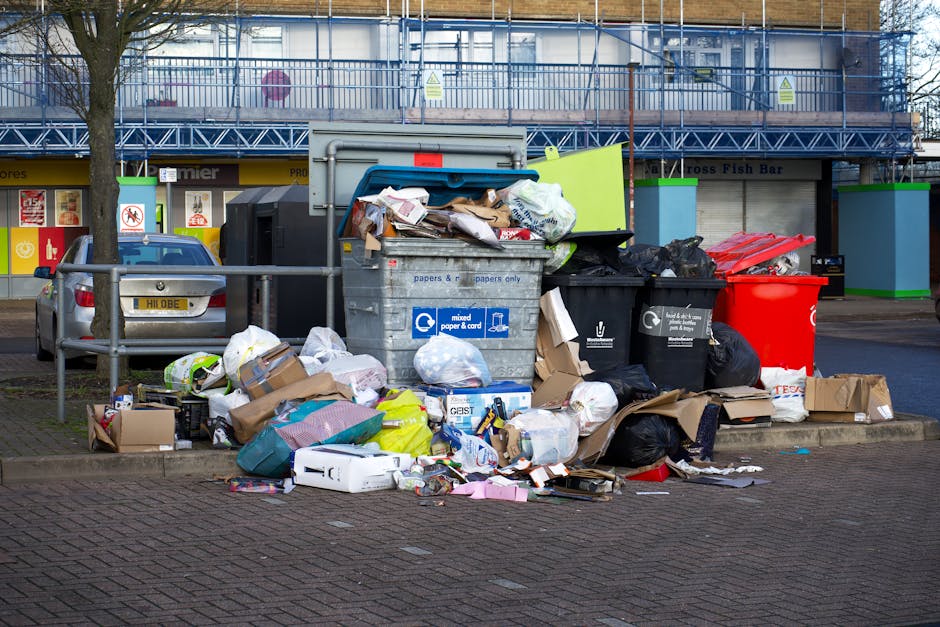
If you are planning a clean-up in Kennington, the skip and rubbish permit rules for Kennington cleaning jobs can make the difference between a smooth job and an expensive headache. That might sound dramatic, but anyone who has tried to clear builder's debris, old furniture, or piles of household waste knows the feeling: one minute you're making progress, the next you're dealing with where the waste can legally sit, who is allowed to remove it, and whether a permit is needed at all.
This guide explains the practical side in plain English. We'll look at when permits are usually needed, how waste should be handled on cleaning jobs, what to check before booking a skip, and how to avoid the common mistakes that trip people up. If you want to keep a Kennington clean-up tidy, compliant, and less stressful, you're in the right place.
Why Skip and rubbish permit rules for Kennington cleaning jobs Matters
Waste removal is one of those things people only notice when it goes wrong. On a cleaning job, especially a deep clean, after-builders clean, move-out clean, or house clearance, waste can build up fast: broken packaging, old fixtures, bagged junk, carpet offcuts, and general rubbish that needs to leave the property in the right way. In a busy London area like Kennington, the space outside a property is often limited, and that's where permit rules come in.
A skip placed on a public road normally needs permission from the local authority, or an arrangement made through the skip provider. That is not just paperwork for the sake of it. It helps keep pavements clear, protects access for pedestrians and neighbours, and reduces the chance of fines or complaints. Truth be told, a lot of wasted time on a clean-up comes from poor planning around waste, not the actual cleaning.
For landlords, tenants, homeowners, and businesses, the risk is simple: if rubbish is left somewhere it should not be, the job looks unfinished and can cause problems with neighbours, building managers, or the property owner. If you're arranging related work such as end of tenancy cleaning or after builders cleaning, waste planning should be part of the quote, not an afterthought.
Practical takeaway: in Kennington, waste management is not only about "getting rid of rubbish"; it is about knowing what can go in a skip, where that skip can sit, and whether the job needs permits, timed collections, or alternative disposal methods.
How Skip and rubbish permit rules for Kennington cleaning jobs Works
The basic idea is straightforward. If waste sits fully on private land, such as a driveway or enclosed yard, a permit is often not needed. If it sits on a public highway, road, or pavement space, a permit may be required. That is the rule of thumb most people work from. The exact process can vary depending on the location, the type of waste container, and how long it will stay in place.
For a typical Kennington cleaning job, there are usually three routes:
- Use a skip on private property - best when there is enough space and access.
- Use a skip on the road with a permit - useful where access is tight or the property has no private frontage.
- Use man and van clearance or staged waste removal - often better for mixed waste, smaller volumes, or jobs that do not justify a skip.
Here is where people sometimes get caught out. A cleaning job may start as "just a bit of rubbish" and then quickly turn into bags of loft clutter, old white goods, damp furniture, or post-renovation debris. That's when the disposal method needs a second look. A skilled cleaner or clearance team will usually ask about waste volume early, because the wrong choice can add costs, delay the job, or create access issues.
If you are handling a bigger property reset, a service such as house clearance may be more efficient than trying to force everything into a single skip. Likewise, commercial sites often need a different approach, which is why commercial cleaning and waste removal planning tend to go hand in hand.
One small but important detail: permits are usually about the container's position, not the fact that there is rubbish in general. So the question is not only "Do I need a skip?" It is also "Where will it be placed, for how long, and who is responsible for the permit?" That part matters more than many people expect.
Key Benefits and Practical Advantages
Getting the permit side right brings some very real benefits. It is not just about staying on the safe side; it makes the whole cleaning project easier to manage.
- Less disruption: the job runs more smoothly when waste has a proper removal plan.
- Lower risk of penalties: avoiding unauthorised skip placement or fly-tipping issues matters.
- Cleaner presentation: especially useful for end-of-tenancy handovers, Airbnb turnovers, and landlord inspections.
- Better time planning: no awkward pauses while someone works out where the debris is going.
- Safer working area: less trip risk, fewer obstacles, and better access for cleaners.
There is also a reputational angle. If you're a property manager, landlord, facilities lead, or business owner, the way waste is managed says a lot about the standard of the whole job. A tidy site feels controlled. A messy one feels rushed, even if the actual cleaning is excellent. Let's face it, people notice the bin bags before they notice the polished taps.
For recurring properties, regular planning can also help. Services like regular cleaning and office cleaning often generate lower waste, but seasonal clear-outs, refurbishment work, or tenancy changeovers can suddenly create a lot more. Being ready for that shift saves hassle.
Who This Is For and When It Makes Sense
This topic matters to more people than you might think. It is not only for contractors or heavy-duty clearance teams. In Kennington, permit rules and rubbish handling can affect a wide mix of people and property types.
- Tenants moving out: when there is bulky waste or leftover furniture.
- Landlords and letting agents: especially between tenancies or after problem properties.
- Homeowners: after decluttering, renovation, or a big spring clean.
- Property managers: where communal access and neighbours need to be considered.
- Businesses: during refits, office changes, or back-of-house clear-outs.
- Cleaning providers: who need to quote accurately and avoid awkward surprises on site.
It makes most sense whenever waste is too much for normal household collections, or when the job includes bulky items, packaging, or debris that cannot simply be bagged up and left for routine pickup. A one-off project such as one-off cleaning often sits right in this category, because the job may be deep, messy, and time-sensitive all at once.
In a small flat with awkward access, the right answer might be no skip at all. In a bigger refurb, a skip may be the obvious choice. The point is not to default to one method. It is to match the disposal method to the job. That sounds obvious, but it is where many people go wrong.
Step-by-Step Guidance
If you want a simple way to approach skip and rubbish permit rules for Kennington cleaning jobs, use this sequence. It keeps decisions calm and practical instead of rushed.
- Estimate the waste volume early. Count bags, bulky items, and anything awkward like timber, tiles, or broken fittings.
- Separate cleaning waste from hazardous waste. Paint tins, chemicals, sharp objects, and electrical items may need different handling.
- Check whether the skip can fit on private land. A private space usually reduces permit complexity.
- If the skip must go on the road, plan for a permit. Confirm who arranges it and how long it will be needed.
- Choose the right waste route. Skip, clearance load, or staged collections all have different strengths.
- Time the clean-up properly. The waste plan should align with the cleaning schedule, not fight it.
- Keep access clear. Doors, paths, and fire exits matter, especially in shared buildings.
- Document what is removed. Helpful for landlords, agents, and commercial clients.
If you are dealing with a post-building mess, a service like after builders cleaning often works best when the waste removal is arranged first or at least in parallel. Otherwise the dust can settle again, and the room never really feels finished.
For properties with carpets, upholstery, curtains, or mattresses affected by dust and debris, you may also need cleaning services such as carpet cleaning, upholstery cleaning, or mattress cleaning once the waste is gone. The order matters. Waste first, detailing second. Usually.
Expert Tips for Better Results
Here are the things experienced cleaners and property teams tend to do that save time later. Nothing fancy, just sensible practice.
- Measure access before booking anything. Narrow streets, parked cars, and basement steps can change the plan fast.
- Ask about permit responsibility in writing. It avoids confusion between the customer, cleaner, and waste provider.
- Bundle similar jobs together. For example, combine waste removal planning with move out cleaning or move in cleaning when the property is being turned over.
- Keep a small contingency window. A day or two of flexibility can save a lot of stress if the skip permit takes time.
- Think about neighbours. Early mornings, noise, and blocked pavement space can cause friction. Better to plan politely than apologise later.
A tiny human observation: the jobs that go best are rarely the flashiest ones. They are the ones where the waste bags, access route, and cleaning scope were all sorted before anyone started dragging furniture downstairs. Boring? Maybe. Effective? Absolutely.
For larger or mixed-site work, it can help to pair cleaning with a service that already has a strong process around waste and site care, such as commercial carpet cleaning or communal area cleaning, where access planning is part of the job rather than a surprise.
Common Mistakes to Avoid
Most problems around permits and rubbish in Kennington come from a few predictable mistakes. If you avoid these, you are already ahead of the game.
- Assuming the skip does not need a permit. If it is on public land, that assumption can backfire.
- Leaving waste to "sort itself out". It usually does not. It just becomes more expensive or messier.
- Mixing unsuitable items into the load. Some waste types need special handling, and overfilling is a common issue.
- Booking the clean before the waste route is clear. That can create delay and double handling.
- Forgetting building rules. Communal entrances, concierge restrictions, and estate management policies can all matter.
Another common one: people under-estimate the volume of rubbish by a lot. A few rooms can generate far more waste than expected once cupboards are emptied and old soft furnishings are pulled out. That's why a site visit or at least a good photo set is so useful.
If you are unsure whether the job is more about cleaning or clearance, a combined approach can be smarter. For some homes, a proper domestic cleaning visit plus a clearance plan is enough. For others, especially after a long vacancy or a cluttered tenancy, the clearance step has to come first.
Tools, Resources and Recommendations
You do not need fancy software to handle this well. Most of the practical work comes down to having the right information before the job starts.
| Option | Best for | Watch out for | Typical fit |
|---|---|---|---|
| Skip on private land | Properties with space, driveways, yards | Access, size, surface protection | Home clear-outs, renovations |
| Skip on road with permit | Tight properties without private space | Permit timing, parking, neighbour impact | Urban flats, narrow streets |
| Man and van clearance | Smaller or mixed loads, fast removal | Multiple trips, sorting waste correctly | Quick clean-outs, staged jobs |
| Phased waste removal | Large jobs with uncertain volume | Needs coordination and repeated visits | Deep cleans, refurb transitions |
Useful documents to have ready include photos of the waste, access notes, property management rules if relevant, and a simple list of items to remove. A few clear pictures can save a surprising amount of back-and-forth. Really, a good photo beats a vague description every time.
For clients comparing services, it also helps to review pricing and quotes carefully and confirm what is included. Waste handling, permit support, and removal of bulky items are often treated differently from standard cleaning time. Knowing that upfront avoids those awkward "I thought that was included" moments. Nobody enjoys those.
Law, Compliance, Standards, or Best Practice
When waste is involved, the safest approach is to treat compliance seriously, even for a relatively small cleaning job. In the UK, waste must be managed responsibly, and in practice that means you should know who is removing it, where it is going, and whether the storage or placement of a skip is lawful for the location.
For Kennington jobs, the practical best practice is to:
- avoid leaving waste in a way that blocks access or creates a hazard;
- confirm whether a permit is needed before placing a skip on public land;
- keep any waste carrier or clearance arrangement clear and documented;
- separate ordinary rubbish from items that need careful handling;
- use a provider that takes safety and insurance seriously.
That last point is easy to overlook, but it matters. A cleaning team should understand working safely around heavy bags, sharps, and awkward access. You can get a feel for that by reviewing a company's health and safety policy and insurance and safety approach. Those pages are not just formalities; they tell you whether the provider thinks beyond surface-level cleaning.
If sustainability matters to you, waste handling can also tie into broader environmental practice. A thoughtful recycling and sustainability approach helps make sure reusable or recyclable items are not treated like everything else. Not every job can be green in a perfect sense, but there is usually room to do better than the bare minimum.
And one more thing: if a building manager, landlord, or contractor gives you a rule, follow the rule even if it seems a bit fiddly. Shared buildings in London have their own logic. Sometimes that logic is annoying. Still, it's there for a reason.
Options, Methods, or Comparison Table
There is no single best answer for every Kennington cleaning job. The right waste solution depends on access, volume, timing, and how much disruption you can tolerate.
| Method | Pros | Cons | Best use case |
|---|---|---|---|
| Skip | Good capacity, easy for large mixed waste | May need permit, occupies space | Refits, major clear-outs, builder waste |
| Rubbish bags and scheduled collection | Low cost, simple for light waste | Not suitable for bulky loads | Light domestic cleans |
| Man and van clearance | Flexible, quick, can handle awkward items | May require sorting and multiple trips | Move-outs, cluttered homes, mixed waste |
| Phased removal | Good for uncertain volumes | Needs more coordination | Large jobs where waste appears in stages |
Simple rule of thumb: if the waste is bulky and predictable, a skip may work best. If the waste is mixed, awkward, or hard to predict, clearance style removal can be smoother. If the property has tight access, the permit question may decide the whole setup.
For example, a flat with old furniture, carpet offcuts, and a few bags from a move out cleaning job may not justify a road skip at all. But a full renovation with plaster dust, packaging, and timber probably does. Different beast entirely.
Case Study or Real-World Example
Imagine a Kennington flat that has been empty for a few months after tenants moved out. The property manager wants it turned around quickly. Inside, there are broken storage units, several black bags of mixed rubbish, an old mattress, leftover fixtures, and dust from minor repair work. The first instinct is often to book a skip and get on with it.
But then the access problem appears. There is no private driveway, the road is already busy, and the building has a shared entrance used by other residents. Suddenly the job is not just about removing waste; it is about planning where the container can go, whether a permit is needed, and how to keep the site safe and clean while the work is in progress.
In a case like this, the better approach is often:
- Photograph the waste and access route.
- Separate bulky items from smaller rubbish.
- Decide whether a skip permit is practical or whether clearance is faster.
- Schedule the waste removal before detailed cleaning.
- Finish with deep cleaning of floors, soft furnishings, and hard surfaces.
That final step matters more than people realise. A property can look "almost done" and still smell dusty or feel unfinished if carpets, sofas, or hard floors have not been properly reset. In practice, a job like this may call for deep cleaning, hard floor cleaning, or even window cleaning once the clutter is gone and the light can actually get in. The room changes. You can feel it.
Practical Checklist
Use this quick checklist before you commit to a waste plan for a Kennington cleaning job.
- Have you estimated the waste volume realistically?
- Do you know whether the skip would sit on private land or public land?
- Has anyone confirmed whether a permit is needed?
- Are any items hazardous, sharp, or specially regulated?
- Is access wide enough for loading, collection, or delivery?
- Do neighbours, building managers, or landlords need notice?
- Has the cleaning schedule been aligned with the waste removal plan?
- Have you checked what the service quote includes?
- Is the provider insured and clear about safety?
- Will the final clean include any follow-up detailing after the waste is gone?
Quick reminder: waste first, polish second. Usually that order keeps things much simpler.
If you want a cleaner handover with less back-and-forth, make sure the waste plan is agreed before the cleaning starts. For more details about the company's service standards and working approach, you can also review the about us information and the terms and conditions so expectations are clear from the outset.
Get a free quote today and see how much you can save.
Conclusion
Skip and rubbish permit rules for Kennington cleaning jobs are not glamorous, but they are absolutely part of doing the work properly. Once you understand where the waste will sit, who is responsible for the permit, and whether a skip is actually the right tool, the rest becomes far easier. That is the real win here: fewer surprises, fewer delays, and a job that feels controlled from start to finish.
Whether you are planning an end-of-tenancy turnaround, a post-build clean, a property reset, or a bigger clear-out, the best results usually come from thinking about waste early. It saves time, reduces stress, and makes the finished space feel properly finished. And that, honestly, is what most people want in the end.
Take it one step at a time, keep the plan sensible, and don't let the rubbish become the hardest part of the job.
Frequently Asked Questions
Do I need a permit for a skip in Kennington?
If the skip is placed on a public road or pavement space, a permit is often needed. If it stays on private land, a permit may not be required. The placement is the key factor.
Who usually arranges the skip permit?
Often the skip provider arranges it, but not always. It is worth confirming this early, because responsibility can differ from one booking to another.
Can I leave rubbish outside a property instead of using a skip?
Usually no, not if it blocks access, sits on public land, or creates a nuisance. Waste should be handled through an agreed and lawful removal method.
What kind of cleaning jobs create the most waste?
After builders cleaning, end-of-tenancy clean-ups, house clearances, and move-out jobs often create the most waste because they involve bulky items, packaging, and leftover debris.
Is a man and van clearance better than a skip?
It depends on the job. Clearance can be better for mixed, awkward, or smaller loads. A skip can be better for large predictable volumes. Access and timing matter a lot.
What happens if a skip is placed without the right permission?
That can lead to problems such as complaints, delays, or penalties. It may also create safety or access issues for pedestrians and neighbours.
Can cleaning services handle rubbish removal too?
Some can, especially when the job is bundled with clearance or post-build work. Always check exactly what is included before the job begins.
How far in advance should I sort this out?
As early as possible. The waste plan should ideally be confirmed before cleaning starts, especially if a permit may be needed or access is tight.
Are there items that should not go into a normal skip?
Yes. Some waste types need special handling, such as chemicals, certain electrical items, and hazardous materials. Always check before loading anything uncertain.
What is the biggest mistake people make with rubbish on cleaning jobs?
Underestimating the amount of waste. A job that looks manageable in person can turn into several loads once cupboards, storage, and hidden areas are cleared out.
How do I keep a cleaning job in Kennington running smoothly?
Decide on the waste route early, confirm permit responsibility, keep access clear, and match the cleaning schedule to the removal plan. Simple, but it works.
Where can I find more information about service standards and policies?
You can review the company's relevant policy and service pages, including health and safety policy, insurance and safety, recycling and sustainability, and contact us if you need to discuss a specific job.